Basement Waterproofing in Minneapolis, MN
In Minneapolis, basements spend a lot of the year under stress. Long stretches of subzero temperatures, deep frost, spring snowmelt, and sudden summer downpours all drive water toward the foundation. Homes in older South Minneapolis neighborhoods, near the river bluffs, and in areas with clay-heavy soils often see that water show up as damp walls, musty smells, or a thin line of moisture where the floor meets the wall after every storm. Over time, that constant cycle of wet and dry can turn a usable basement into a space you avoid.
SafeBasements builds waterproofing systems for those exact Minneapolis conditions. Interior drain tile, sump pumps, vapor barriers, and dehumidifiers are combined into a plan that fits your home’s foundation, soil, and water patterns, with the goal of keeping the basement dry and the air healthier year-round. If you are already dealing with seepage, standing water, or humidity that never seems to drop, SafeBasements starts with a free inspection and a clear explanation of what it will take to fix it.
What Causes Basement Water Problems in Minneapolis?
Basement water in Minneapolis usually comes down to a handful of conditions working together over the course of a year. Understanding which one applies to your home is the first step toward a fix that actually holds.
Frost and snowmelt cycles
Long, frozen winters push frost deep into the ground, and when that frost finally lets go each spring, the melt has to go somewhere. A lot of it moves toward the foundation, saturating the soil around the house at the exact time of year when basements are most likely to take on water.
Clay-heavy and poorly drained soil
In Northeast Minneapolis specifically, the original 1929 Hennepin County soil survey documented Hayden Loam on the upland areas and Webster Silty Clay Loam in the low-lying depressions and swales that run through the neighborhood. That clay subsoil holds water instead of letting it pass through, so saturated ground builds up pressure against the outside of a foundation instead of draining away.
Older homes built before modern waterproofing standards
Many basements in South Minneapolis, Longfellow, Powderhorn, and Northeast were built before drain tile and interior waterproofing were standard practice. Some have stone or block walls, some have thin coatings that wore away decades ago, and plenty have no interior drain system at all.
Surface drainage problems
Short downspouts that empty next to the foundation, settled concrete that tips back toward the house, or landscaping built up against the siding all give water an easy path to the same spots along the wall. Over time, that repeated flow washes soil away and widens cracks that already exist.
What a homeowner actually notices, whether it’s a damp line along a wall after snowmelt or a musty corner after every storm, usually traces back to some combination of these four things happening at once in that specific part of the city.
Signs Your Minneapolis Basement May Need Waterproofing
What you’re noticing in your basement is worth paying attention to, even if it seems minor right now. A damp wall, a certain smell, or a stain you can’t quite explain can point to a real water problem working against your foundation. You live in the house, so you’re in the best position to notice when something feels different than it used to. Taking these signs seriously now gives you more options than waiting until the problem is harder to ignore.
Water on the Floor After Rain or Snowmelt
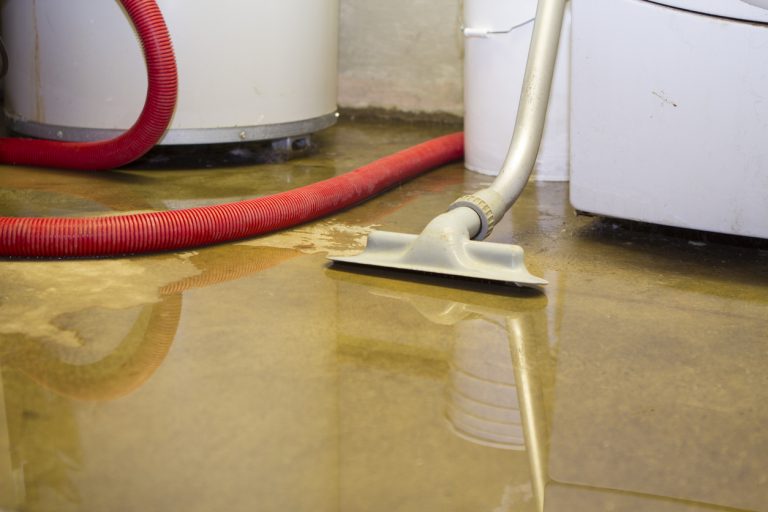
Puddles along one wall, a thin sheet of water spreading across the floor, or a wet spot that keeps showing up in the same corner after a storm or spring melt all point to the same thing. Even when the water dries on its own, repeated pooling means pressure is building outside the foundation and finding a way in.
Damp Walls, Dark Streaks, or Floor Stains
Concrete that looks darker at the base after wet weather, staining where the wall meets the floor, or faint lines marking how high dampness reached are all signs that moisture is seeping through the wall itself. In some Minneapolis basements, this shows up as a chilled, clammy feel on one wall before any water actually pools on the floor.
Musty Odors and Visible Mold
A basement that smells earthy or stale even after cleaning and ventilating is holding more moisture than it should. Mold on wood framing, baseboards, stored boxes, or the backs of furniture means humidity in the space has been high enough to support growth, which makes it as much an air quality issue as a water one.
Cracks That Leak or Stay Damp
Small cracks in concrete are common, but a crack that weeps during storms or never fully dries is acting as a channel for water. Horizontal cracks, stair-step patterns in block walls, and cracks that keep widening all point to real pressure on the wall.
Peeling Paint, Flaking Concrete, or White Residue
Paint that blisters or flakes off a basement wall, concrete that crumbles at the surface, or a white powdery film called efflorescence are all signs of moisture moving through the wall. Each time that moisture evaporates, it leaves minerals behind and breaks the surface down a little more.
Rust and Corrosion on Metal in the Basement
Rust on the bottom of a water heater, furnace cabinet, shelving, or support posts usually comes from damp air and occasional contact with water. Metal that used to look clean but now shows a band of rust around the base means the lower part of the basement has been exposed to moisture more than it should be.
Basement Waterproofing Services in Minneapolis, MN
Basement waterproofing in Minneapolis has to do more than stop a single leak. It has to keep working through heavy spring melt, summer thunderstorms, and long stretches of frozen ground. SafeBasements designs each system around how water is actually getting into your home, then builds a permanent way to collect it, move it, and keep it out of your living space.
Interior Drain Tile Systems
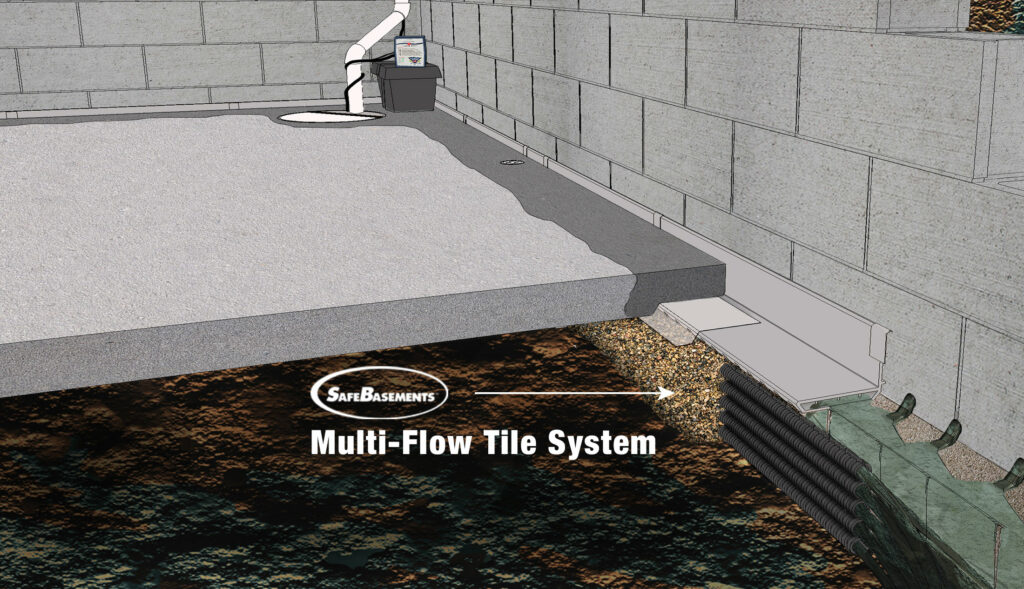
When water is pushing up at the floor joint or seeping in along the base of the wall, the most effective fix is usually at the footing level. SafeBasements installs interior drain tile systems that relieve hydrostatic pressure by giving that water a controlled path into a drainage channel.
A narrow trench is opened around the inside perimeter, just at the edge of the slab. SafeEdge™ drainage channels and Multi-Flow™ drain tile are set in place to capture water at the footing, then everything is tied into a sealed sump basin. The system is finished with radon-safe seals and new concrete so the floor looks clean again while the water is handled out of sight.
Sump Pump Installation and Upgrades
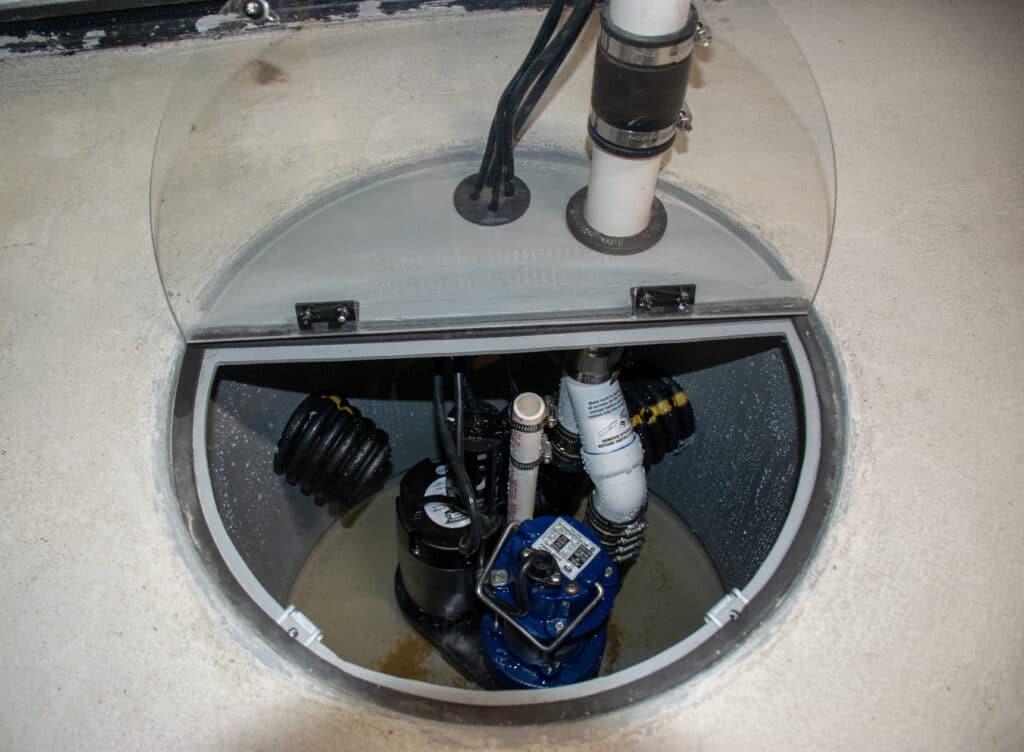
A good drain system needs a dependable pump. SafeBasements installs high-performance sump pumps sized for Minneapolis conditions, including PHCC Pro Series units for homes that see higher volumes of water. Pumps are set in properly sized basins, with check valves and discharge lines arranged so water moves out and away from the foundation instead of recirculating along the same wall.
If you already have a sump pit but still see water on the floor, an upgraded pump, better discharge routing, or backup options can be part of the overall waterproofing plan.
Vapor Barriers and Wall Liners
Concrete and block walls often stay damp even when bulk water is under control. To deal with that constant seepage, SafeBasements can install vapor barriers or wall liners that isolate the basement from porous foundation walls. These liners help direct moisture into the drain system, reduce humidity, and provide a cleaner surface behind finished walls or storage areas.
Basement Dehumidifiers
Even with good drainage, Minnesota weather can leave a basement feeling damp. High-capacity dehumidifiers designed for basement use are an important part of many systems, especially in finished spaces or homes where storage, mechanical equipment, and living areas all share the same air. SafeBasements can size and install a dehumidifier that keeps humidity in a healthier range and helps protect building materials, furnishings, and stored items.
Every basement waterproofing system is installed by trained crews who work in Minneapolis homes every day. Major waterproofing projects come with a lifetime transferable warranty, so the solution you put in place now continues to protect the house, and its value, for years to come.
How Much Does Basement Waterproofing Cost in Minneapolis?
The cost of basement waterproofing in Minneapolis varies from home to home. What you pay is shaped by how water is getting into the basement, how much of the perimeter needs drainage, whether a new sump basin and pump are required, and whether wall liners or dehumidification are part of the plan. A short section of interior drain tile tied into an existing sump pit is a very different project than a full-perimeter system with a new pump and wall protection.
SafeBasements starts with a free on-site inspection so you’re not relying on rough guesses or generic price ranges. A technician walks the space with you, notes where water and moisture are showing up, checks exterior grading and existing drainage, and puts together a written plan that explains the cause, the recommended system, and the total cost. You see the scope and pricing up front before deciding how to move forward.
Why Minneapolis Homeowners Choose SafeBasements
When you’re dealing with water in the basement, you want a company that understands how Minneapolis basements actually behave through deep freezes, snowmelt, and summer storms. SafeBasements has been working in those conditions for more than 35 years, drying out basements in older city neighborhoods and newer developments across the metro.
Here are a few reasons homeowners choose SafeBasements for basement waterproofing:
- Waterproofing systems built for real conditions. SafeEdge™ drainage channels, Multi-Flow™ drain tile, sealed sump basins, and high-capacity pumps are all designed to work together as a complete system that collects water, moves it out, and keeps the basement dry through changing seasons.
- Local experience with Minneapolis basements. The crews who install these systems spend their days in the same kinds of homes you see in Longfellow, Powderhorn, Northeast, and the surrounding suburbs. They know how clay-heavy soils, older foundations, and mixed drainage setups tend to behave, and they design waterproofing plans with that in mind.
- Lifetime transferable warranty on major systems. The protection you put in place stays with the house if you sell it, which can be a real advantage when you’re explaining the home’s history to a future buyer.
- Clear inspections and full-service support. From the first visit, the focus is on showing you where the water is coming from, which parts of the basement need attention, and how the proposed system will work. The same company that inspects your basement also installs the system and handles cleanup.
SafeBasements has been solving these problems in Minneapolis homes for more than three decades, with systems designed to hold up through the seasons that cause the damage in the first place.
Schedule Your Basement Waterproofing Inspection in Minneapolis
If you’re tired of mopping up after storms, living with a musty smell, or wondering how much damage the next wet season might do, it’s time to have your basement looked at by a professional. SafeBasements offers free, on-site basement waterproofing inspections in Minneapolis so you can see what’s causing the problem and what it will take to fix it.
Schedule your inspection today, and a technician will walk the space with you, explain what’s actually happening, and lay out a clear plan and price before any work begins.